Feeding a Teen Athlete: Meals, Snacks and Game-Day Food
How to feed a teen athlete on a family budget: how much they need, what to eat before and after practice, game-day timing, tournament coolers and protein.
By the Create & Cook kitchen. Updated . 9 minute read.
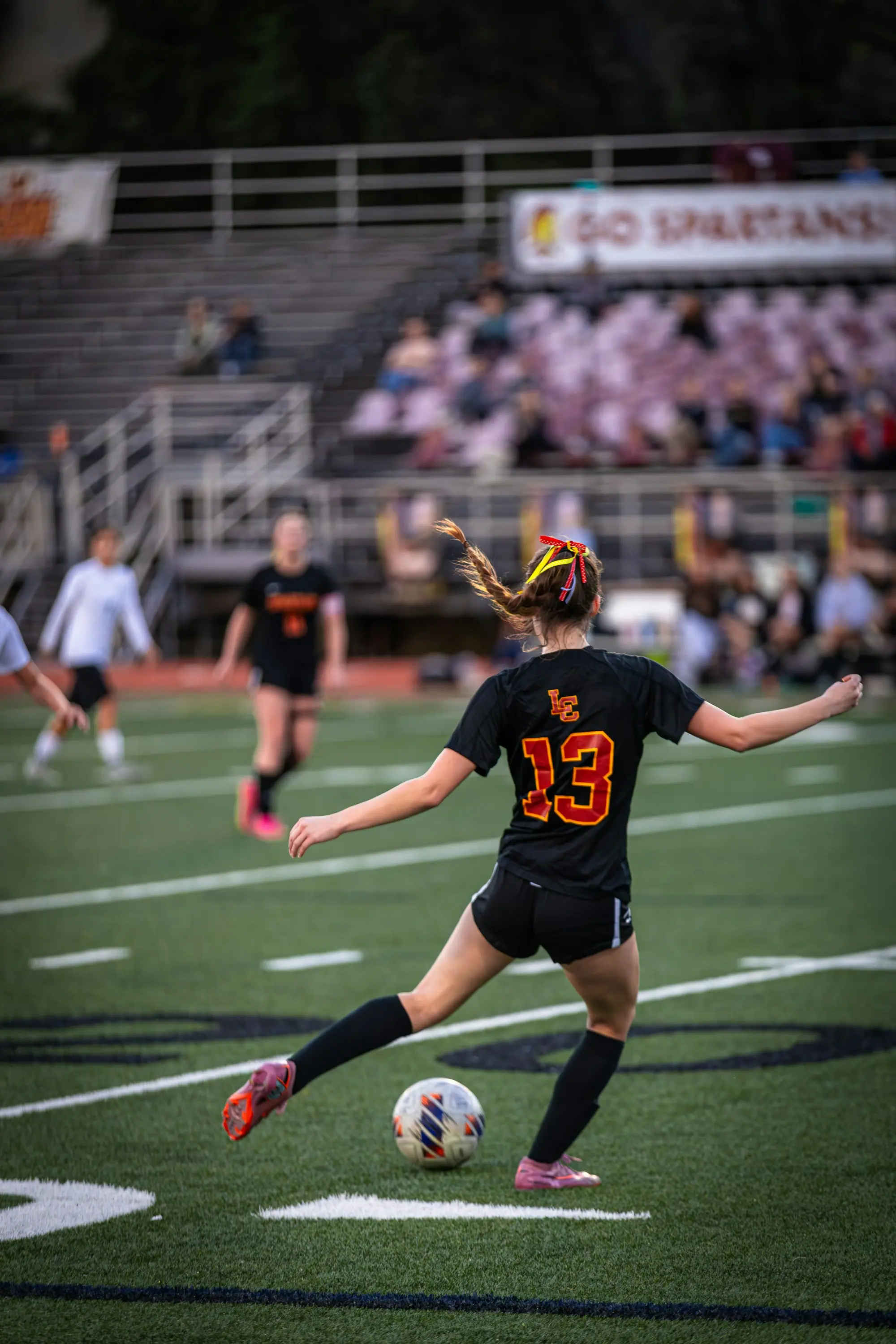
If you have a teenager in season, you know the signs. The fridge empties faster, dinner disappears in five minutes, and there is a second dinner at 9 p.m. Teen athletes are growing and training at the same time, so they need more food than almost anyone else in the house. The good news is that they do not need special food. They need more of the ordinary kind, at the right times.
This guide is for the parent doing the feeding: how much they need, when to feed them around practice and games, and how to manage it without cooking two dinners. It is general guidance for healthy kids. A pediatrician or a sports dietitian can tailor it to yours.
How much they really need
Food comes first, protein second. A teen in hard training can need far more calories than a less active friend the same size, and most of the extra should come from carbohydrates: rice, pasta, bread, potatoes, oats and fruit. Carbs fuel the practice. Protein repairs and builds afterward.
For protein, guidance for young athletes is about 1.5 grams per kilogram of body weight a day, within a range of 1.2 to 2.0. For a 130-pound (59 kg) teen that is roughly 90 grams, and an ordinary day of food gets there easily:
- Breakfast: two eggs, toast and a glass of milk, about 24 grams.
- School lunch: a turkey and cheese sandwich and a cup of Greek yogurt, about 40 grams.
- After school: a banana and a cheese stick, about 8 grams.
- Dinner: a full plate of chicken, rice and vegetables, about 40 grams.
- Before bed: a glass of chocolate milk, about 8 grams.
That is well over 90 grams without a single shake. What matters more is spreading it out: a helping of protein every 3 to 4 hours, including one after training, works better than a huge dinner and nothing at breakfast.
When to feed them
Timing matters more for athletes than for anyone else in the family. A full stomach at kickoff feels awful, and an empty one runs out of gas halfway through practice.
- 3 to 4 hours before: a normal meal with carbs, some protein and not much grease. For after-school practice, that is lunch, so make sure it gets eaten.
- 30 to 60 minutes before: a small snack that is mostly carbs: a banana, a granola bar, pretzels, applesauce or half a bagel. Skip anything greasy or very high in fiber.
- During: water. For hard sessions longer than an hour, especially in the heat, a sports drink can help.
- Within an hour or two after: carbs plus protein to refuel and repair: chocolate milk, a turkey sandwich, Greek yogurt with granola, or dinner if it is ready.
Practice-night dinners that wait
Practice ends at 6:30, someone else gets home at 7:15 and the youngest has a game across town. On those nights, cook dinners that hold:
- Slow cooker dinners like white chicken chili, pulled pork or beef and bean chili. Everyone serves themselves when they walk in.
- Build-your-own bowls with the parts in containers: rice, seasoned chicken or turkey, beans, cheese and salsa. Each person assembles and reheats their own.
- Sheet-pan dinners that reheat well, such as chicken, potatoes and broccoli, or sausage and peppers.
- Pasta bakes with meat sauce or cottage cheese, cut into squares and reheated by the slice.
Our meal planner puts the quick and make-ahead dinners on your busiest nights, and the high-protein recipe generator turns whatever is in the fridge into one of these.
Game day
- The night before: a normal dinner with plenty of carbs, like pasta, rice or potatoes with a lean protein. A regular plate is enough. There is no need for a giant pasta feast.
- Morning games: breakfast 2 to 3 hours before, such as oatmeal made with milk and a banana, eggs and toast, or a bagel with peanut butter. For an early kickoff, eat a smaller breakfast and bring a banana for the car.
- Afternoon games: a normal lunch 3 to 4 hours before and a small snack an hour out.
- Nothing new. Game day is not the day for a new energy bar, a big spicy meal or a drink they have never tried.
- After: a real meal within a couple of hours. If the team goes out for pizza, add milk and fruit at home.
Tournament weekends and the cooler
Long days with several games are where families end up living on concession-stand nachos. A packed cooler costs less and keeps them going between games:
- Turkey, ham or peanut butter sandwiches on sturdy bread
- Bananas, oranges, grapes and applesauce pouches
- Pretzels, crackers, granola bars and dry cereal
- Cheese sticks, yogurt tubes, hard-boiled eggs and chocolate milk, kept cold
- Plenty of water, plus sports drinks for long, hot days
Keep cold food cold with two ice packs or frozen water bottles, and do not let anything perishable sit out for more than two hours, or one hour above 90°F.
Water, sports drinks and energy drinks
Water should be the main drink. The American Academy of Pediatrics says sports drinks are useful only for long, vigorous exercise, and that energy drinks, which contain caffeine and other stimulants, have no place in the diet of children and teens. Plenty of teens do not know these are different products, so it is worth saying out loud.
A simple check: pale yellow urine means they are drinking enough. Dark urine before practice means they need more water.
Do they need protein powder?
Usually not. The American Academy of Pediatrics says young athletes’ nutrition needs are best met with food rather than supplements, and most teens reach their protein number from ordinary meals. Supplements are not reviewed by the FDA before they are sold, and some sports products have been found to contain ingredients that are not on the label.
If an older teen wants a shake after lifting, a glass of milk, or a smoothie made with milk, Greek yogurt and a banana, does the same job for less money.
Watch for underfueling
For most young athletes the bigger risk is not too little protein but too little food overall, especially in sports where weight or looks get attention, such as running, gymnastics, dance and wrestling. Sports medicine calls it Relative Energy Deficiency in Sport, or REDs, and it affects boys and girls. Signs to watch for:
- Constant tiredness, or performance that drops off
- Frequent injuries, especially stress fractures
- Periods that become irregular or stop
- Losing weight during the season, or skipping meals on purpose
Feeding them on a budget
- Eggs, milk, big tubs of Greek yogurt, canned tuna, dry beans and lentils are some of the cheapest protein in the store. See what to make with lentils and canned tuna.
- Chicken thighs and whole chickens cost less than boneless breasts and stay juicier.
- Cook once, eat twice: roast double the chicken and turn the rest into lunches and second dinners.
- Buy snacks in bulk and bag them up on Sunday, so the week’s supply doesn’t vanish in a day.
And use what you already have. Our recipe generator builds dinner from the ingredients in your fridge, so the groceries you bought actually get eaten.
Sources: American Academy of Pediatrics, Sports Drinks and Energy Drinks for Children and Adolescents (2011); Hecht C, et al., Nutritional Recommendations for the Young Athlete (2023); Thomas DT, et al., Nutrition and Athletic Performance (2016); Mountjoy M, et al., IOC consensus statement on REDs (2023).
Questions people ask
What should a teen athlete eat before practice?
A normal meal 3 to 4 hours before, then a small snack that is mostly carbohydrate 30 to 60 minutes before: a banana, a granola bar, pretzels or half a bagel. Avoid greasy or very high-fiber food right before training.
What should a teen athlete eat after practice?
Carbs plus protein within an hour or two: chocolate milk, a turkey sandwich, Greek yogurt with fruit and granola, or dinner if it is ready.
How much protein does a teenage athlete need?
About 1.5 grams per kilogram of body weight a day, within a range of 1.2 to 2.0, spread over 4 or 5 meals and snacks. For a 130-pound teen that is roughly 90 grams, which most reach with ordinary food.
Should my teen drink sports drinks or energy drinks?
Water first. Sports drinks help during long, hard sessions, especially in the heat. Energy drinks are a different product with caffeine and other stimulants, and the American Academy of Pediatrics says they have no place in a child’s or teen’s diet.
Is chocolate milk good after sports?
It is a practical recovery drink. Milk gives protein and fluid, and the chocolate adds carbohydrate to refuel. A cup has about 8 grams of protein.